
U.S. Blockchain Governance: Streamlined Operations & Compliance
Blockchain foundations have been at the center of several of Kava’s recent blog posts. We have covered everything from how they provide counterparty clarity to their role as secure enterprise custodians and treasury management solutions through stewardships. We have also spent time exploring the U.S. government’s growth from an aggressive anti-crypto regulatory stance to one of the most progressive and competitive positions. In this entry, we will overview the specific benefits that blockchain projects gain from operating within the U.S. regulatory environment, and how foundations are driving blockchain innovation while adhering to the frameworks of federal regulatory agencies such as the SEC, FinCEN, and CFTC.
We will begin by examining how foundations can preserve the decentralized nature of blockchain projects while still respecting U.S. regulatory guidelines. Then, we will discuss how foundations can create seamless compliance mechanisms that accelerate blockchain innovation in the U.S. while also directly engaging traditional stakeholders. We will conclude by quickly reviewing how the Solana, Cosmos, and Polkadot foundations have navigated the U.S. landscape before offering a prediction for U.S. blockchain foundations.
Preserving Decentralized Governance Within U.S. Regulatory Frameworks
One of the single most important aspects of any blockchain project is its adherence to decentralized governance. Foundations are both a concentration of influence within the blockchain landscape and key to unlocking standardized industry frameworks for navigating the shifting U.S. regulatory environment.
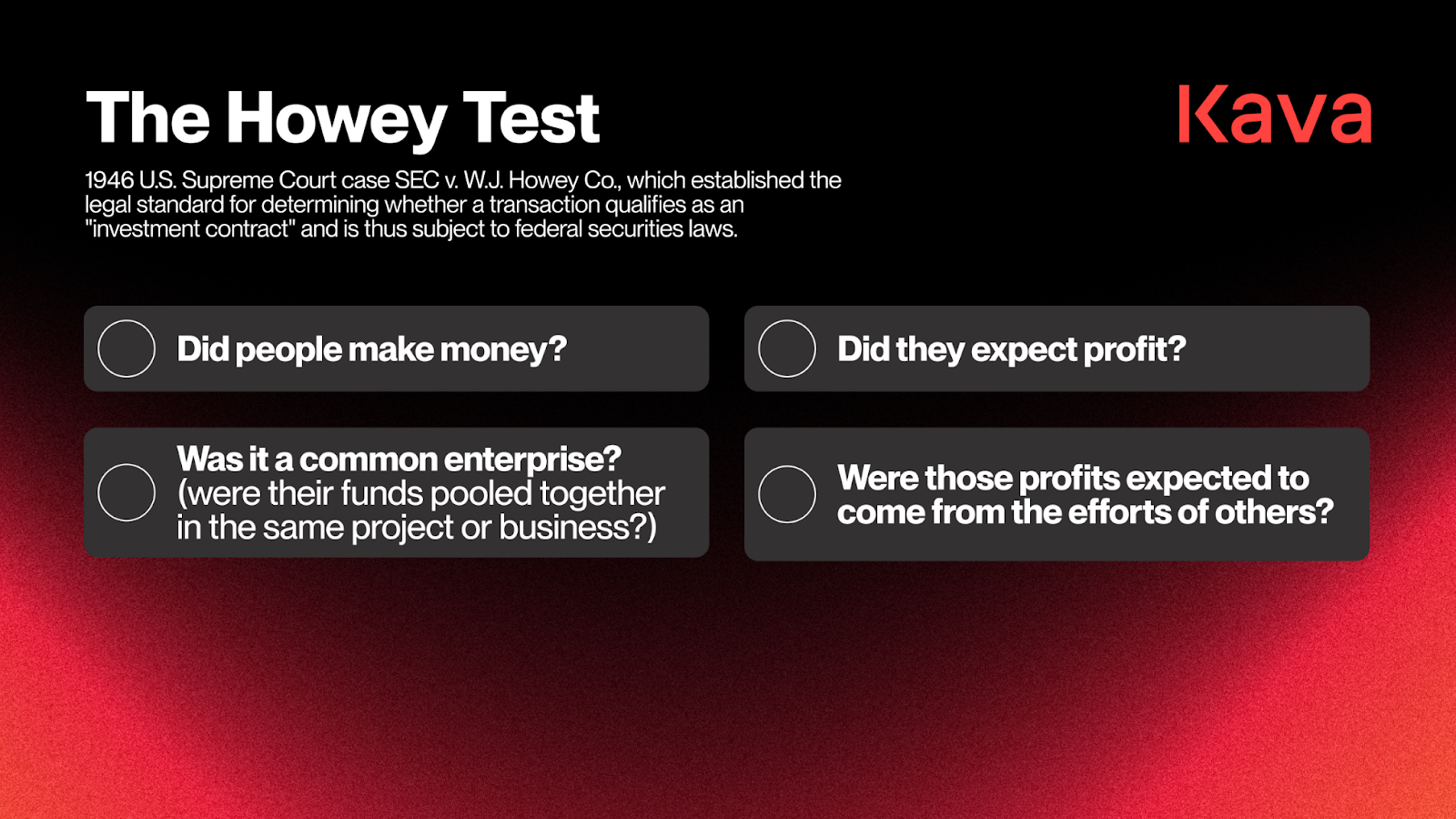
We saw in our article about the CLARITY and GENIUS Acts how Gary Gensler’s SEC was able to weaponize the Howey Test against blockchain projects that offered staking as a consensus mechanism. Constantly changing regulatory requirements require a massive financial and legal commitment to keep projects operating in compliance with U.S. regulations. Foundations can absorb these costs and act as compliant, trusted third parties for blockchain projects to utilize.
On-chain voting
Foundations can establish standardized governance structures that maintain on-chain voting while satisfying transparency requirements. They achieve this by keeping detailed records showing community votes on platforms like Snapshot. These immutable on-chain votes are then directly translated into operational decisions. This creates fully auditable trails while still enabling genuine decentralization rather than centralized control.
Compliance Frameworks
The Financial Crimes Enforcement Network (FinCEN) requires U.S. entities to implement Know Your Customer (KYC) and Anti-Money Laundering (AML) procedures. Foundations can address these requirements by establishing compliance frameworks for grant recipients while preserving pseudonymous on-chain voting rights for token holders. This dual approach satisfies FinCEN's need for identifiable responsible parties without eliminating the privacy features that blockchain communities value.
Traditional Tax Compliance
U.S. tax reporting obligations further complicate blockchain governance. Foundations can navigate this through distributing grants. To remain compliant, they must issue 1099 forms to American recipients and withhold taxes where appropriate. By building these compliance mechanisms into their operational procedures, foundations demonstrate to the IRS and other federal agencies that decentralized networks can operate within existing U.S. tax rules.
Accelerating U.S. Blockchain Innovation
As the U.S. continues to introduce additional regulations for the blockchain industry, it risks imposing unnecessary burdensome administrative requirements that can delay projects from reaching the market. Foundations are positioned to overcome this roadblock by working with regulatory bodies.
We can take Real World Assets (RWAs) as an example. A blockchain project may have its community vote to approve initiatives involving security tokens representing real estate, commodities, or equity stakes. Foundations can swiftly engage with registered broker-dealers, establish relationships with transfer agents, and file necessary Form Ds for Regulation D offerings in compliance with federal and state-level regulators. Without this operational authority, the multi-month timelines for SEC compliance and navigating various regional authorities would prevent U.S. blockchain projects from capitalizing on market opportunities.

Foundations are better positioned to rapidly respond to shifting U.S. regulatory guidance. When agencies like the SEC or CFTC issue new interpretive letters or enforcement actions affecting the blockchain industry, foundations can immediately adjust operational procedures, freeing up individual projects to continue focusing on development. This administrative freedom is especially valuable for global DeFi projects operating in the U.S.
Engaging U.S. Stakeholders for Trust and Regulatory Alignment
One of the primary reasons the U.S. is an ideal environment for blockchain innovation is its immediate access to capital. Silicon Valley has long been the global center for tech innovation, and the investment infrastructure that has emerged to meet this demand can be easily leveraged for the blockchain industry. In addition, the U.S. remains a global safe haven for corporations to operate without fear of repercussions from the government, as long as they remain compliant.
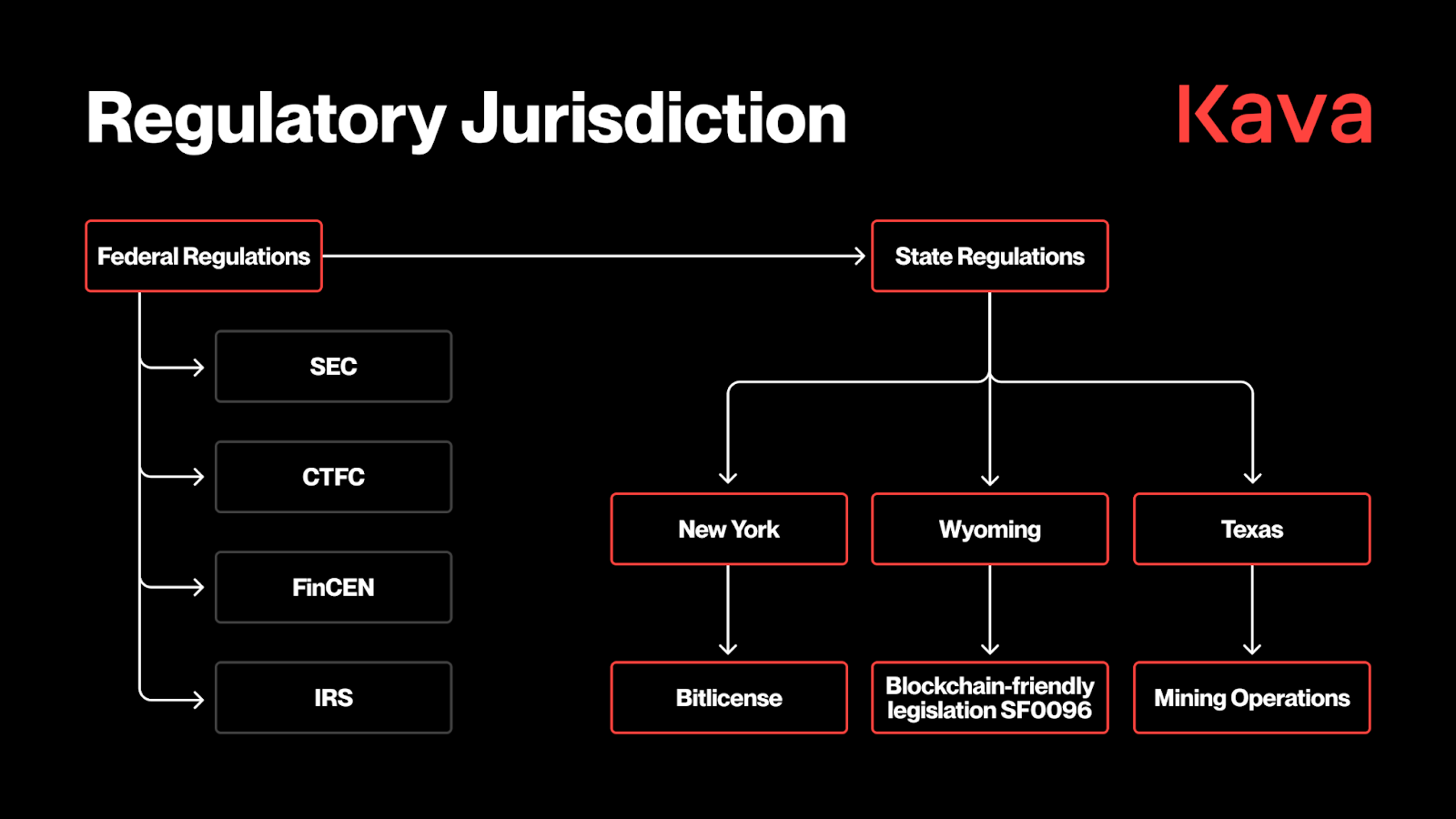
State-level engagement adds another layer of complexity. New York's BitLicense requirements, Wyoming's blockchain-friendly legislation, and Texas's approach to crypto mining operations create a patchwork of state rules. U.S. foundations engage with state banking regulators, attorneys general, and legislative bodies to ensure multi-state compliance while advocating for reasonable frameworks that don't stifle innovation. While individual blockchain projects may be able to navigate this multitude of stakeholder interests on their own, doing so is often inefficient and highly costly.
Case Studies in U.S. Blockchain Foundation Operations
There are several foundations currently operating and serving these functions in the United States of America.
Polkadot
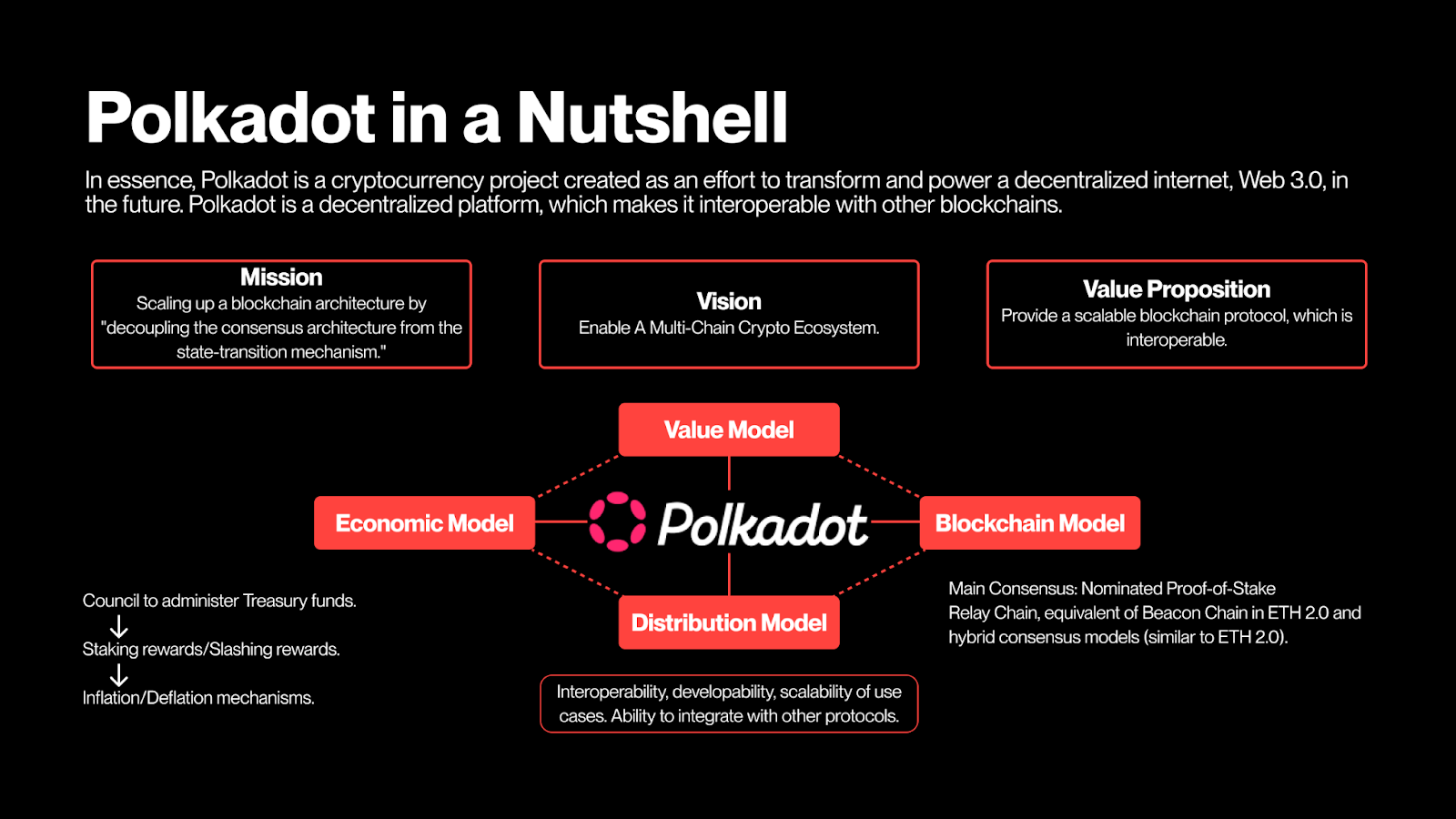
The Polkadot Foundation clearly demonstrates how foundations can effectively implement ecosystem grant execution within American regulatory guidelines. When the Polkadot community approves treasury spending for parachain development or infrastructure improvements, the U.S. foundation executes these grants. At the same time, the foundation confirms that recipients comply with U.S. tax reporting requirements, enter into appropriate contractor agreements under American employment law, and maintain records that withstand potential SEC scrutiny. This operational efficiency has allowed Polkadot to fund numerous U.S.-based development teams without sacrificing decentralized governance or violating federal regulations.

Solana
The Solana Foundation has streamlined partnerships with major U.S. corporations while preserving governance integrity. When Solana established a relationship with Visa for payment solutions or partnered with American retailers for NFT initiatives, the foundation negotiated agreements and managed intellectual property considerations under U.S. law. The foundation also coordinated regulatory compliance for partnerships and verified that all partnerships were aligned with the strategic direction approved through community governance. This approach allowed Solana to rapidly expand its U.S. market presence while maintaining accountability to token holders.
Cosmos
Cosmos’ U.S. foundation is another clear demonstration of how leveraging foundations for stakeholder consultation within strategic initiatives is impacted by American operations. Before implementing any significant protocol changes or establishing U.S.-specific infrastructure, the foundation conducts extensive consultation with American validators, application developers, and institutional participants. For example, when the Cosmos Foundation explored integration with the Federal Reserve for a U.S. central bank digital currency (CBDC), these consultations confirmed that decisions reflected both community priorities and the practical requirements of operating within U.S. regulatory frameworks.
Conclusion
The U.S. regulatory environment is a constantly shifting landscape. While legislation like the GENIUS and CLARITY Acts enshrine clearly defined regulations into law, the more nuanced approach of niche industries like RWAs clearly demonstrates that blockchains will need to continue navigating a myriad of federal, state, and local regulatory bodies. Foundations are a novel solution to the regulatory hazards that can often derail individual projects from reaching their full potential.Additionally, by demonstrating that decentralized governance and American regulatory compliance can co-exist, these foundations will attract institutional capital, encourage major corporations to build on blockchain infrastructure, and position the United States as the preferred jurisdiction for sustainable blockchain development.