
Counterparty Clarity: Enabling Institutional Partnerships
The blockchain industry is no stranger to the role of counterparty risk when it comes to custodians' management of user funds. There has been no shortage of reminders of what happens when unregulated, malicious, or incompetent actors gain access to user funds. The collapses of major cryptocurrency exchanges such as Mt. Gox, QuadrigaCX, and FTX serve as a constant reminder of the significance of counterparty risk.
The industry has rapidly matured in recent years. This is thanks in part to the acceleration of AI risk assessment protocols, the election of a pro-crypto U.S. administration, and the passage of clear legislation such as the GENIUS Act. The new environment has opened the door for institutional capital to flow into the space. However, the need for clear counterparty risk and accountability is essential for institutionally funded blockchain development to fully take hold.
We’ll begin by exploring the importance and impact that legal recognition has on blockchain. Then, we’ll explain how meeting current KYC and AML compliance standards creates frictionless integration for institutional investment. This will lead to how foundations are providing ideal, compliant, pilot-ready partnerships, as demonstrated by the current real-world examples of the Ethereum Foundation, Circle, and Polygon. To conclude, there will be a prognosis on the future of counterparty risk and the role of foundations in driving secure, compliant institutional bridges.
Importance of Legal Recognition
In our most recent piece on U.S. Blockchain Custody, we covered why many custodians are opting for SOC-2 compliance and ironclad Service Level Agreements (SLAs) when handling institutional investments. These decisions are not merely for optics nor are they a requirement under current regulations.
While blockchain projects and custodians may not have as many established legal requirements, traditional institutions such as banks, exchanges, and financial providers absolutely do. These institutions must adhere to strict regulatory frameworks that mandate clear accountability and transparent organizational structures. Without meeting these custodial mandates, no matter how promising a blockchain project or custodian may be, discussions with institutional investors will not proceed beyond preliminary talks.
When a blockchain project exists as a formally registered legal entity, banks and exchanges can conduct background checks, assess risk profiles, and satisfy regulatory obligations necessary for entering into partnerships.
Meeting Compliance Expectations
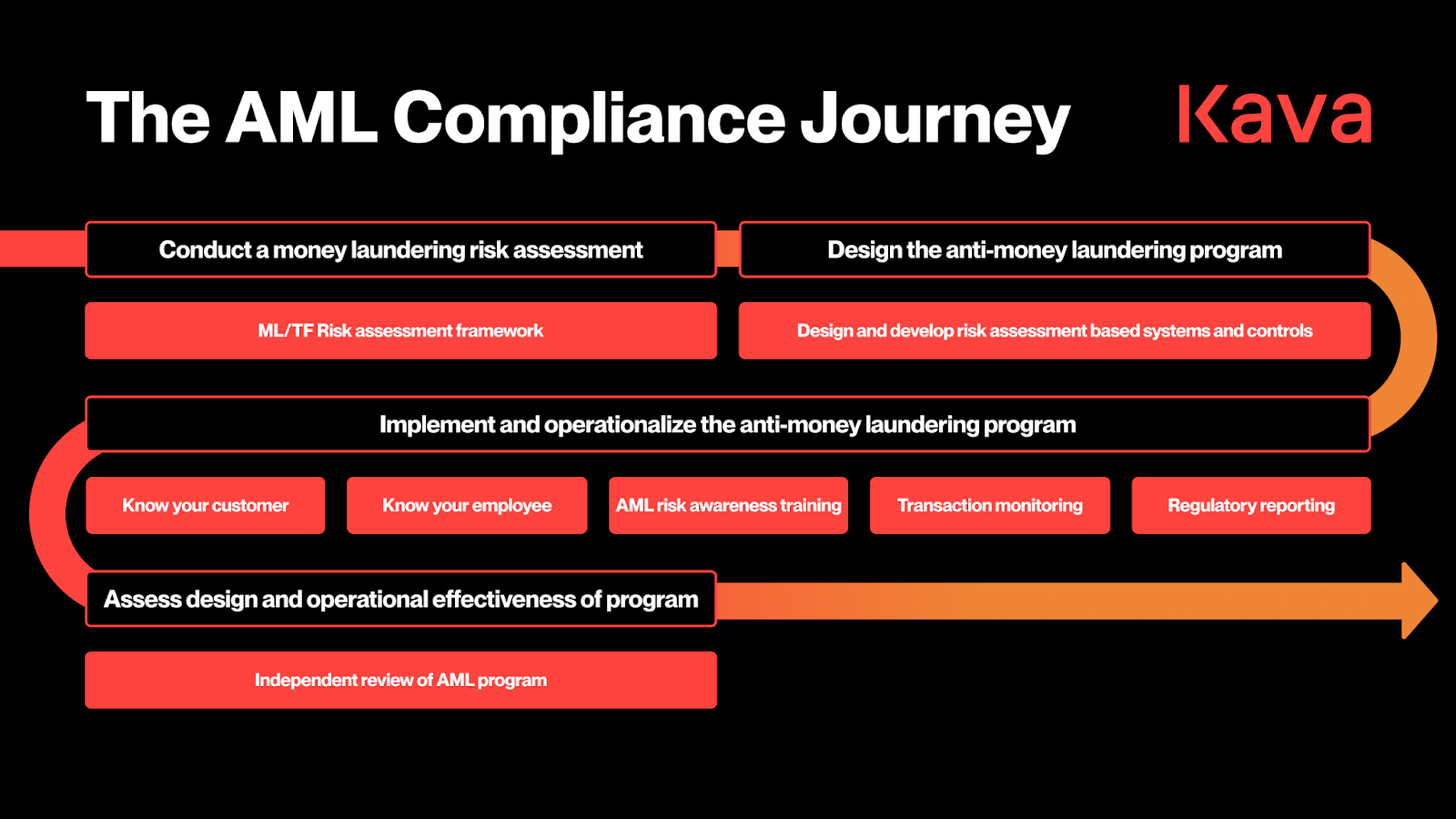
By undergoing comprehensive Know Your Customer (KYC) and Anti-Money Laundering (AML) processes, foundations demonstrate their alignment with the regulatory standards that govern global financial markets. Similar to how we explored SLAs and SOC-2 compliance in the previous article, projects and foundations can provide proof of compliance with regulators.
Reducing Institutional Friction
The onboarding process for institutional partnerships often presents a major bottleneck to blockchain adoption. Traditional financial institutions require extensive documentation, multiple rounds of legal review, and comprehensive risk assessments before committing to new partnerships. KYC'ed foundations streamline this process by presenting a familiar organizational structure that institutional compliance teams can readily evaluate in a standardized way.
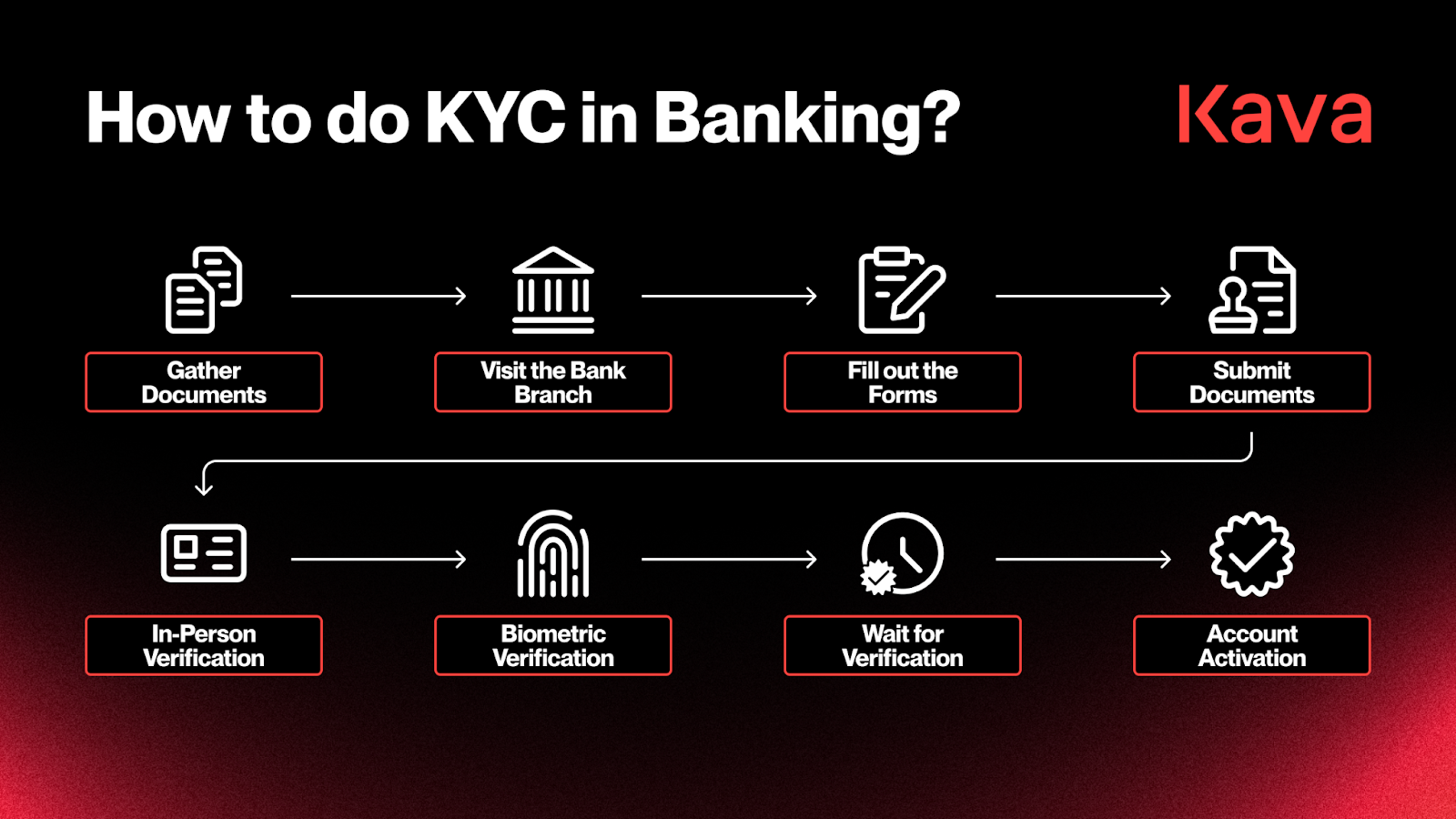
When a foundation has already completed rigorous identity verification, established transparent governance procedures, and documented its operational structure, institutional partners can accelerate their due diligence processes. This reduction in friction translates directly into faster partnership formation, reduced legal costs, and increased confidence during negotiations.
Pilot Ready Partnerships
In an industry highlighted by a history of counterparty risk exploits, foundations are providing a new opportunity for contractual clarity. The legally defined compliance is characterized by its binding SLAs, industry-standardized auditing metrics, and institutional-grade KYC and AML adherence.
By creating robust counterparty clarity, foundations are generating value for traditional institutions to leverage. Regulated entities can experiment with blockchain technology without navigating unfamiliar legal territory, and foundations can enter into limited-scope agreements, manage escrow arrangements, and provide the legal framework for testing new solutions.
Real-World Applications
These foundations already exist in the form of the Ethereum Foundation, Circle, and Polygon. Each one provides its own benefits and use cases, most notably Circle’s adherence to domestic KYC and AML compliance regulations while still growing its USDC stablecoin.
Ethereum Foundation
The Ethereum Foundation's partnerships with regulated exchanges demonstrate how legal clarity enables practical collaboration. Major exchanges have worked with the foundation to develop compliant ETH staking solutions, creating products that meet regulatory requirements while supporting network security. These partnerships required clear counterparty relationships that only a recognized legal entity could provide.
Circle
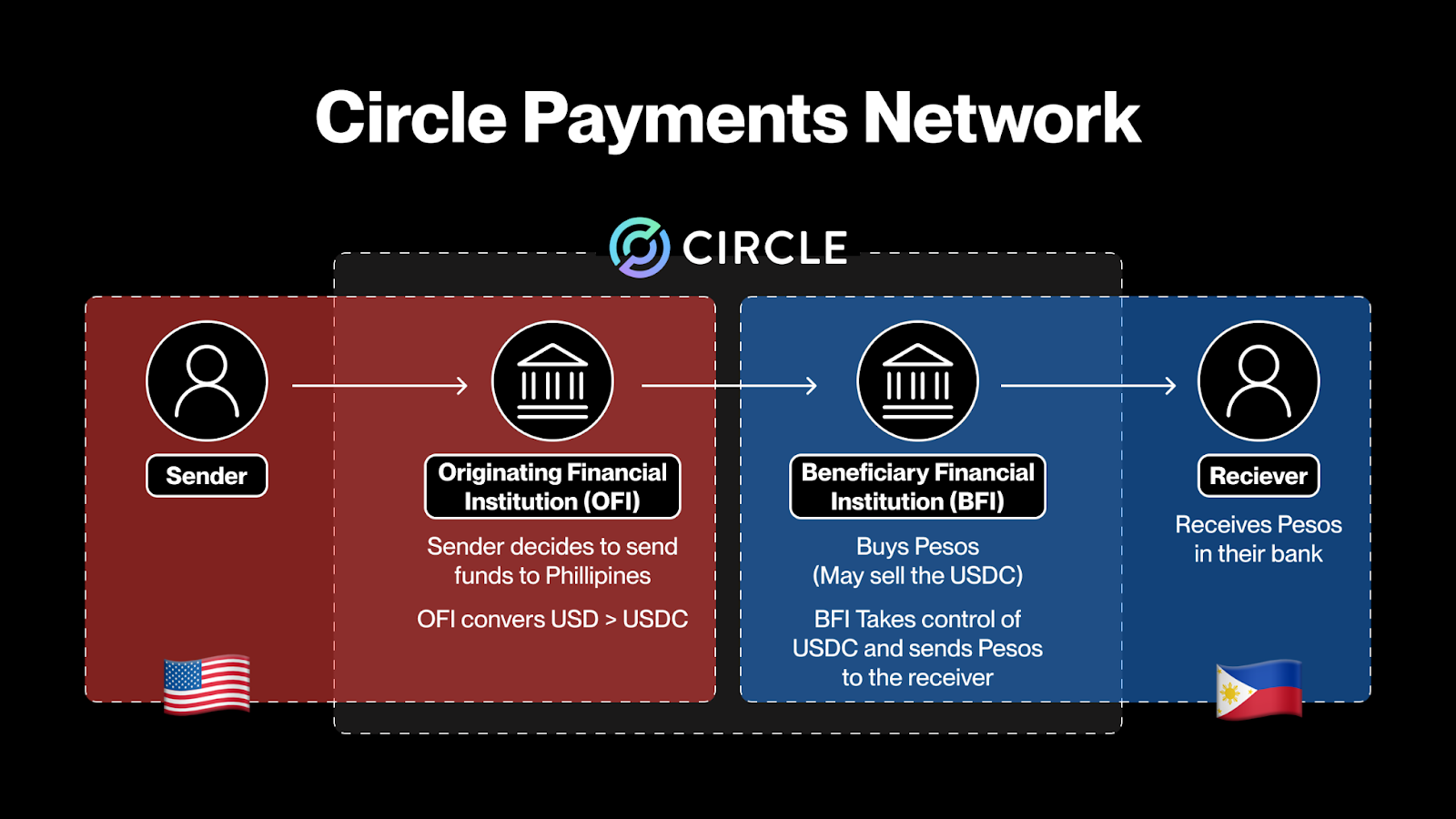
Circle's collaboration with numerous blockchain foundations for the expansion of USDC allows Circle to seamlessly integrate its global Circle Payments Network across both traditional and decentralized infrastructure. By working with foundations that meet compliance standards, Circle has expanded USDC adoption across decentralized finance ecosystems while upholding its regulatory commitments. These integrations required counterparties capable of entering formal agreements and meeting ongoing compliance obligations.

Polygon
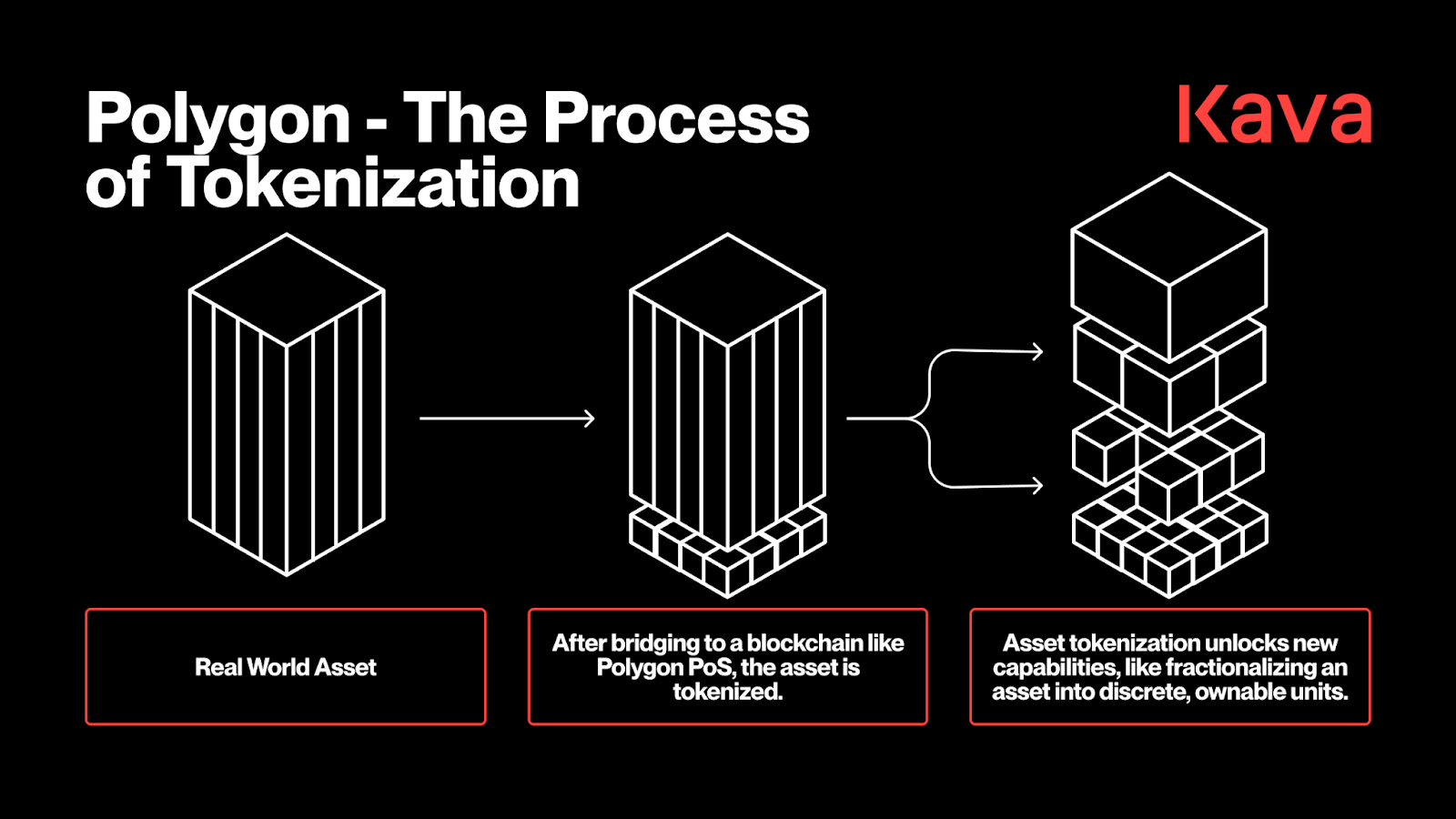
Polygon's initiatives with real-world asset (RWA) providers illustrate how foundations enable tokenization projects. Traditional asset managers and financial institutions entering the tokenization space need legally recognized partners who can facilitate the conversion of conventional assets into blockchain-based tokens. Polygon's foundation structure provides the necessary legal framework for these partnerships, enabling compliant asset tokenization.
The Future of Counterparty Risk
As more traditional financial institutions recognize the benefits of blockchain technology, the demand for compliant, legally recognized counterparties is expected to increase. Foundations that establish strong compliance frameworks today position their networks for institutional partnerships tomorrow.
This movement toward standardized foundation counterparties will accelerate mainstream blockchain adoption across global markets. By providing the legal clarity that regulated entities demand, foundations enable seamless collaboration without compromising the fundamental principles of decentralization and permissionless innovation.